From: 25. November 2026 09:00
Until: 27. November 2026 16:00
Location: Oslo Science Park, Oslo, Norway
Contact us


Welcome to ICDS 2026!
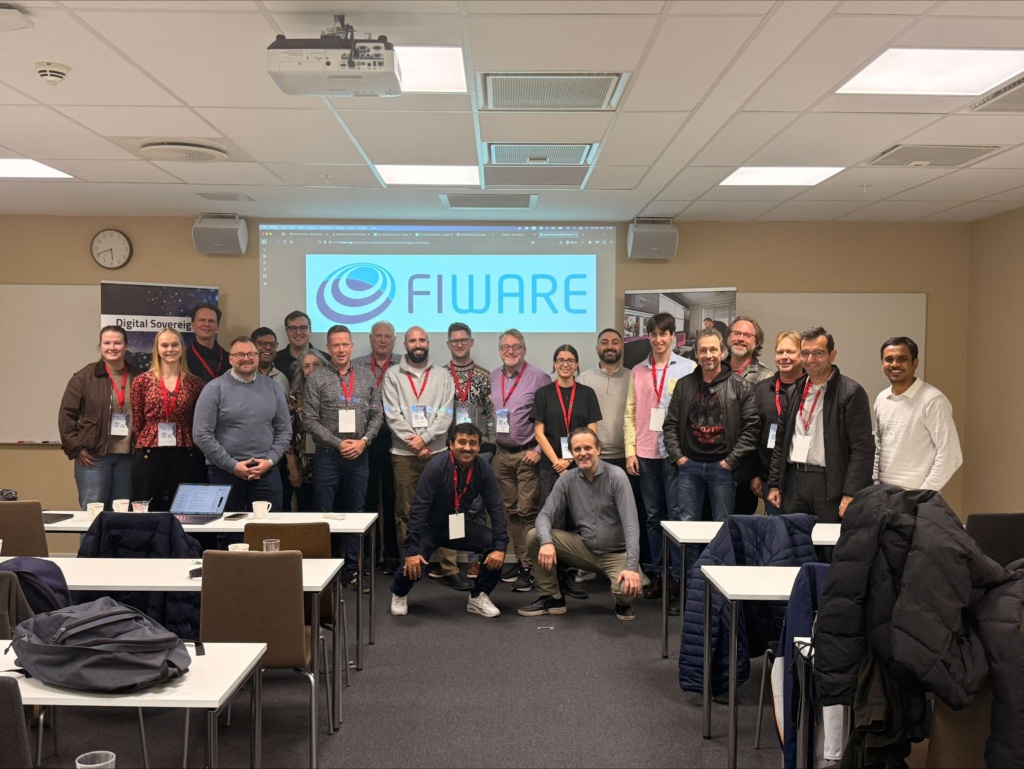
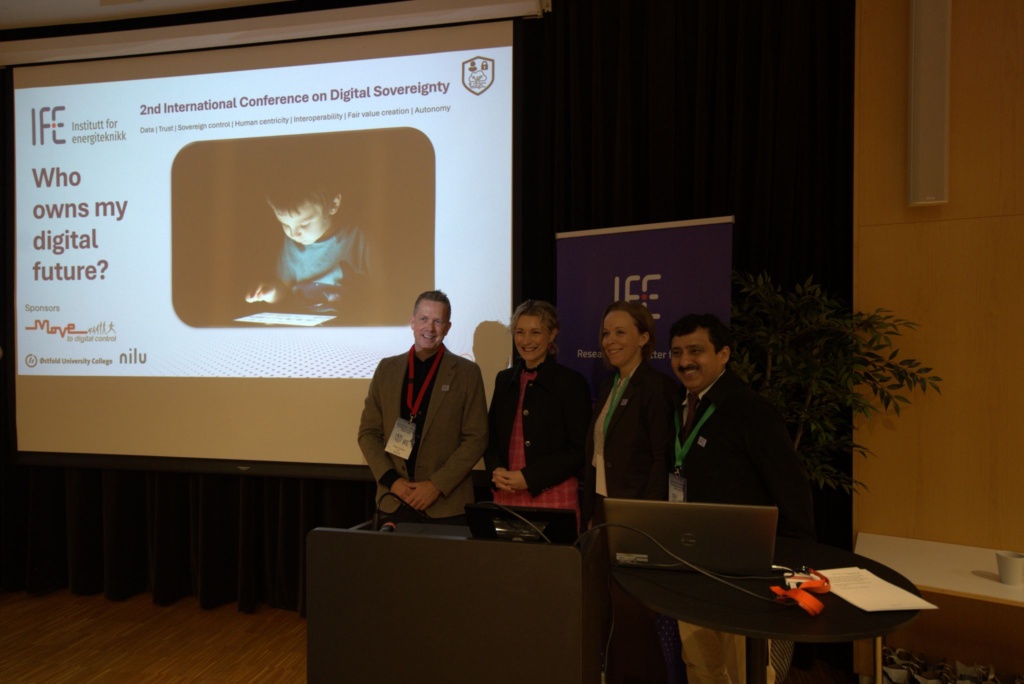
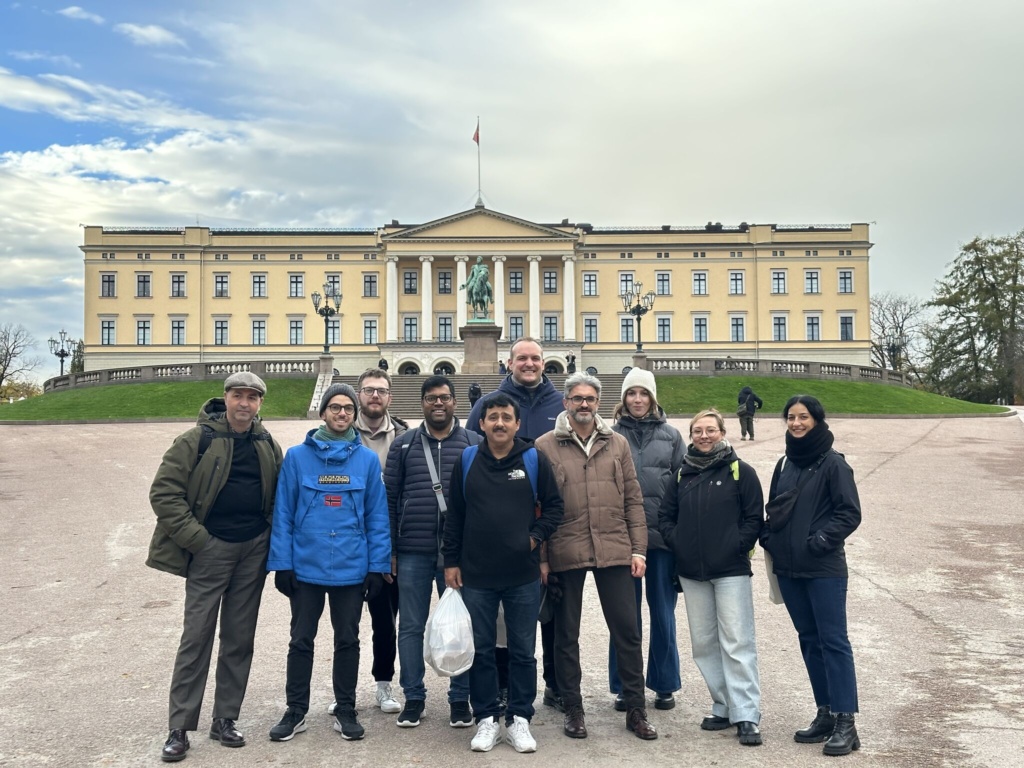
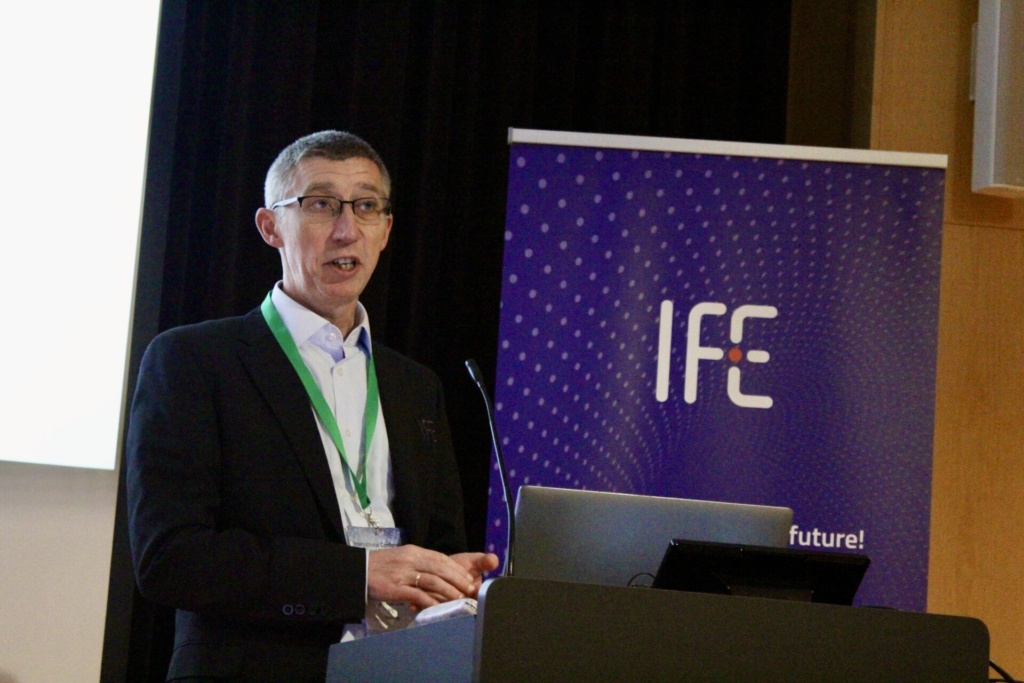
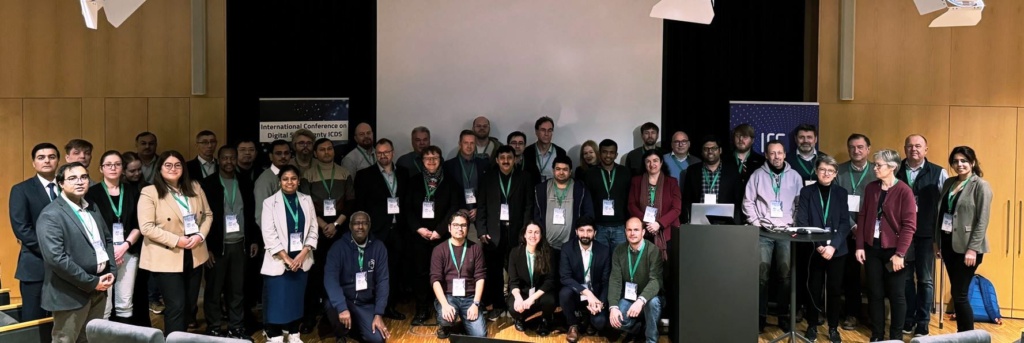
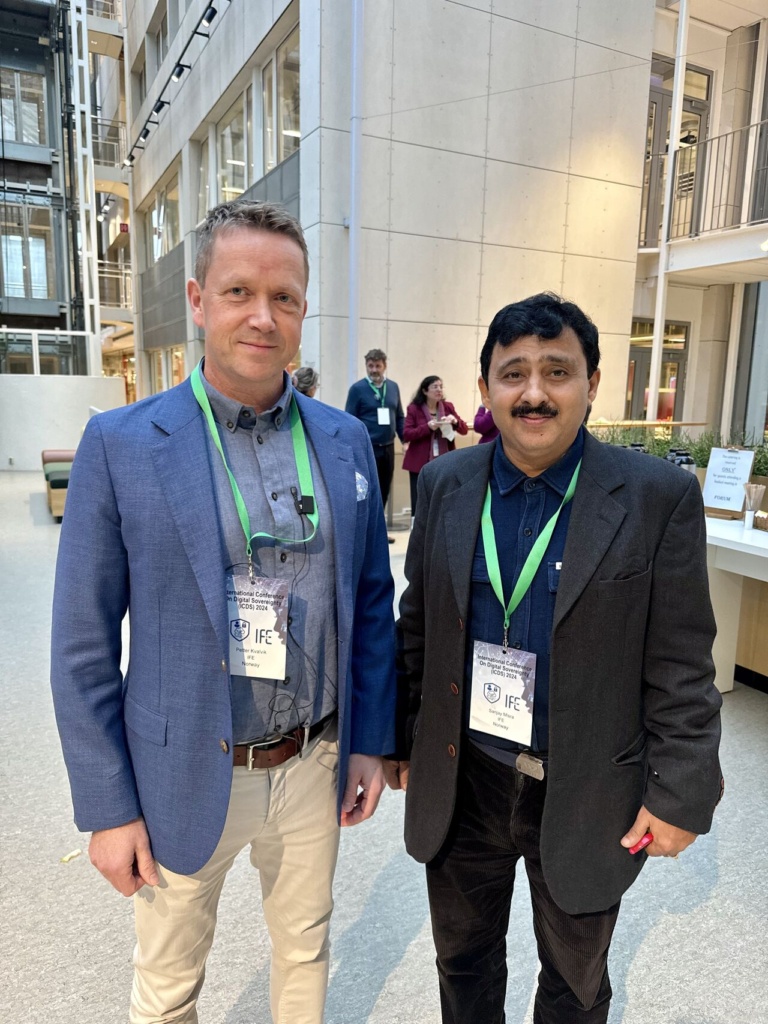
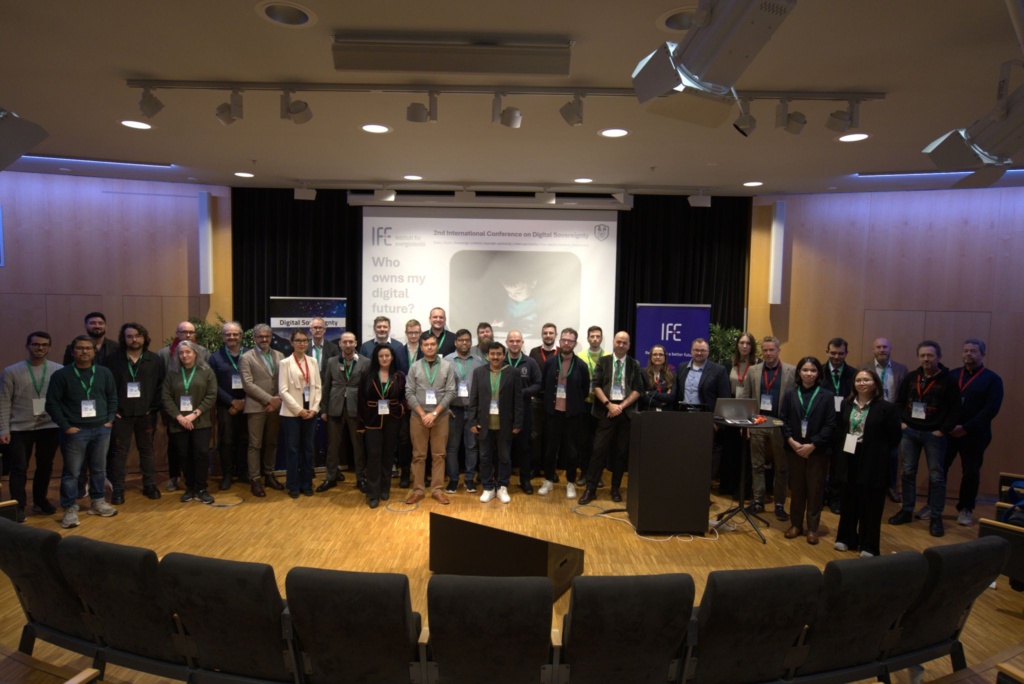

It is with great pleasure to welcome you to the Third International Conference on Digital Sovereignty (ICDS 2026), which will be organised by the Institute for Energy Technology (IFE) from November 25th – 27th, 2026, in Oslo, Norway.
The International Conference on Digital Sovereignty (ICDS) is the world’s only dedicated conference exclusively focused on digital sovereignty, addressing one of the most critical challenges shaping today’s digital future.
Established in 2024, ICDS has rapidly emerged as a unique global platform where policy, industry, and cutting-edge research converge to build trust, resilience, and autonomy in advanced digital ecosystems.
The conference is distinctly structured into three complementary pillars: a high-level Industry Day, where global technology leaders openly discuss real-world strategies and challenges in implementing digital sovereignty; practical training sessions that translate policy and innovation into actionable capabilities; and peer-reviewed research presentations, where leading researchers from top institutions present solutions across technological, legal, and societal dimensions of digital sovereignty.
Building on the strong foundations of ICDS 2024 and the expanded international impact of ICDS 2025, the 3rd International Conference on Digital Sovereignty (ICDS 2026) will further strengthen Norway’s leadership at the forefront of global digital policy, innovation, and research, welcoming the international community to Oslo to shape the future of sovereign, secure, and sustainable digital infrastructure. As in ICDS 2025, selected papers from the ICDS 2026 conference will be published in the Springer Proceedings on Complexity, further reinforcing the conference’s scientific quality and international visibility.
We are looking forward to welcoming you!
Sanjay Misra and Petter Kvalvik (General Chairs)
Sponsors


Full Week Programme
The 3rd International Conference on Digital Sovereignty Conference brings together industry, academia and the public sector to explore these
themes:
| Date | Theme | Subject |
|---|---|---|
25th November | Industry Day | Insigth from industry, research, and the public sector |
26th November | Academic day -1: Invited Keynotes, followed by presentations on accepted papers | • Human-Centric Digital Sovereignty • Industry & Innovation Impact • Digital Ecosystems & Governance • National Digital Sovereignty • Societal Impact, Geopolitics & Trust |
27th November | Academic day -2: Paper presentations followed by Oslo City and fjord walking/boat tour/ networking. | Detailed programme TBA |
Industry Day Programme
The program is available as a flip-book below, or you can download a pdf here: For any enquiries about the program, don’t hesitate to get in touch with us.
Conference Programme
Speakers
The list of speakers is currently being updated
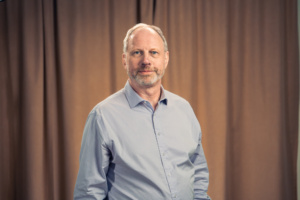
Daniel Melin
Business Developer – Teracom

Cristina Caffarra
Economist and Antitrust Expert – EuroStack

Alexander Rosenthal
Head of DigitalHub, Schleswig-Holstein

Jannicke Daae Tønjum
Director – Sykehusinnkjøp
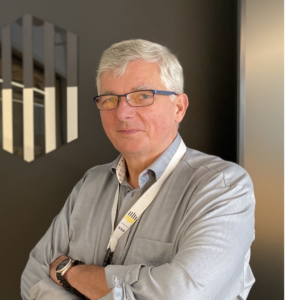
Harald Kristian Næss
Head of Advisory, National Cyber Security Centre – NSM

Jon Grunnan
CTO – Amedia

Jonas Erraia
Partner – Menon Economics

Magnus Sahlgren
Head of Research, NLU – AI Sweden

Hallstein Bjercke
Vice Mayor for Finance, Oslo City Government

Anders Austlid Taskén
Co-founder – Vidd

Ivar Friheim
Forensic Investigator and Cyber Security Analyst – Sikt
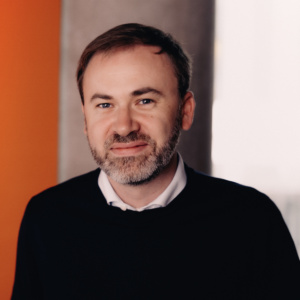
Alf Thomas Nilsen
Head of App – Vipps

Petter Kvalvik
Strategic Advisor Digital Sovereignty, IFE
Call for Papers
We have five tracks in ICDS 2026. Papers in any of these areas, especially with the following keywords covering and related to Digital Sovereignty, are welcome to be submitted.
Track 1: Human-Centric Digital Sovereignty
Digital Empowerment
Privacy
Data Altruism
Incentives for Sharing Digital Assets
Dynamic Consent
Ethical Considerations
Self-Sovereignty
Co-Decision
Transparency and Traceability
Usage Rights
Personal Data Spaces
Human-Centric AI
Human-AI Team Collaboration
Track 2: Industry and Innovation Impact
Use of Human-Centric AI and DS in Industry
AI for National Security and Digital Sovereignty
Ensuring Cyber Resilience
Digital Sovereignty in Business: Challenges and Strategies
Legal Implications of Human-Centric AI and DS
Policy Frameworks for Digital Sovereignty
Improving Patient Care and Public Health with Human-Centric AI
Use of AI and DS in Banking
Impact of Artificial Intelligence in Industry
Computational Intelligence Applications
Track 3: Digital Ecosystems and Governance
Interoperability
Portability
Reference Architectures
Digital Borders and Territories
Data Spaces
Cloud-to-Edge Continuum
Decentralized Identities
Enhancing Governance and Service Delivery through AI and DS
Governance Models, Policies, Laws, Regulations, and Compliance
Trust Anchors
Business Models
Data Valuation
Smart Contracts
Intelligent Systems Governance
Decentralised Autonomous Organizations (DAOs)
Track 4: National Digital Sovereignty and Societal Impact
National AI Capabilities
National Security Considerations
Economic Considerations
Control Over and Autonomy in National Digital Assets
Resilience and Risk-Based Approaches for Digital Sovereignty
Technology Independence
Strategies in a Multi-Polar World
Addressing Societal Inequalities with Human-Centric AI and DS
Environmental Sustainability
AI Solutions for Climate Change and Resource Management
Emerging Trends and Challenges in Human-Centric AI and DS
Global Cooperation for Ethical AI and DS
Track 5: Geopolitics and Trust
Digital Trust as a Geopolitical Asset
Trust Frameworks for Cross-Border Data Flows
Sovereign Digital Identities and International Trust Systems
Trust Anchors, Data Intermediaries, and Dataspace Operators
Platform Power and Algorithmic Influence in the Global Order
Disinformation, Information Integrity, and Geopolitical Influence
The Geopolitics of Global Digital Value Chains and Ecosystems
Digital Sovereignty in a Fragmented and Multipolar World
Cyber Diplomacy and Strategic Autonomy in the Digital Sphere
Extraterritoriality and the Global Impact of National Digital Regulations
Trusted Infrastructures and Resilience in Cross-Jurisdictional Systems
Institutional Innovation for Global Trust and Governance
Digital Non-Alignment and Sovereignty for Emerging Economies
Environmental and Ethical Implications of Geopolitical Tech Rivalries
Global Standards vs. Local Control: Trust in International AI and Data Systems
Previous Editions
- ICDS 2024 – publication: Elsevier Procedia Computer Science
- ICDS 2025 – publication: Springer Proceedings in Complexity (SPCOM)
Submission
The ICDS 2025 conference is now in the process of soliciting submissions of original and innovative papers. Prospective authors are invited to submit papers in core and/or related areas of digital sovereignty. The detailed list of topics can be found in the ‘Call for Papers’. Each paper will be reviewed by three experts from the International Program Committee.
Authors must submit an original full paper, 10 pages for Springer Proceedings on Complexity, that has not been previously published. All contributions must be written in English. Submissions will be evaluated based on relevance to conference themes (digital sovereignty, cybersecurity, data governance), originality and novelty, technical quality and rigor, clarity and organization, impact and significance, and, where applicable, ethical and responsible research practices, especially in areas such as AI and data use.
Submissions should be made here, through Easychair.
Submission Guidelines
Submissions to ICDS 2026 will follow a rigorous and transparent review process to ensure high-quality contributions. After the submission deadline, all papers will be screened by the editors for relevance and baseline quality. Suitable submissions will then be peer-reviewed by at least three independent experts. The editors will carefully evaluate the reviews and make recommendations based on consensus and merit. Finally, accepted papers will be reviewed by the chairs’ Steering Committee and Honorary Chair for final confirmation. Our goal is to maintain fairness, academic integrity, and constructive feedback throughout the process.
Authors must submit an original full paper (6 -10 pages) that has not previously been published. All contributions must be written in English.
Instructions for Authors of Springer Computer Science Proceedings
Information for Authors of Springer Computer Science Proceedings
Important Dates
| Paper Submission | |
| Author Notification | |
| Registration Due and Camera-Ready Deadline | |
| Conference | November 25. – 27. 2026 |
Venue
The Institute for Energy Technology (IFE), Norway will organise this year’s Forskningsparken (Oslo Science Park), Oslo, Norway.
Registration Fees
| Registration | Fee | |
| Early Bird Registration before 25th October 2026 | Ordinary Registration Rates | |
| Regular Author (25th – 27th Nov) | 590 € / 6200 NOK | 686 € / 7200 NOK |
| Additional Paper | 343 € / 3600 NOK | 343 € / 3600 NOK |
| Attendees: Public Sector, Industry and Businesses (25th – 27th Nov) | 333 € / 3500 NOK | 380 € / 4000 NOK |
| Attendees: Public Sector, Industry and Businesses 25th Nov only | 220 € / 2300 NOK | 333 € / 3500 NOK |
*A 25% VAT will be applied to the registration fees. The registration fees include all coffee breaks and lunch on November 25th, 26th, and 27th as well as publication of the accepted paper.
Please register here.
Conference Committee
Honorary Chair
Bjørn Axel Gran, Institute for Energy Technology, Norway
Sokratis Katsikas, NTNU, Norway
General Chairs
Sanjay Misra, Institute for Energy Technology, Norway
Petter Kvalvik, Institute for Energy Technology, Norway
Industrial Loaison Chairs
Petter Kvalvik, Institute for Energy Technology, Norway
Per-Arne Jørgensen, Institute for Energy Technology, Norway
Finance Chair
Karianne Hauge Bjugan, Institute for Energy Technology, Norway
Registration Chair
Lars Nagelhus-Arnesen, Institute for Energy Technology, Norway
Steering Committee
Tomas Eric Nordlander, NILU, Norway
Vasileios Gkioulos, Norwegian University of Science and Technology, Norway
Kai Morgan Kjølerbakken, Institute for Energy Technology, Norway
Vladimir Stantchev, SRH University Heidelberg, Germany
Hakima Chaouchi, Institute Mines-Telecom (IMT), France
International Advisory Committee
Ulrich Ahle (CEO, Gaia-X), Belgium
Chandra Challangonda (CEO, FIWARE), Finland
Thomas Ploug, Alborg University, Denmark
Raj Buyya, University of Melbourne, Australia
Program Committee Chairs
Sanjay Misra, Institute for Energy Technology, Norway
Robertas Damaševičius, Silesian University of Technology, Poland
Rytis Maskeliunas, Kaunas University of Technology, Lithuania
Murat Koyuncu, Atilim University, Turkey
Lalit Garg, University of Malta, Malta
Local Chairs
Sabarathinam Chockalingam, Institute for Energy Technology, Norway
Sizarta Sarshar, Institute for Energy Technology, Norway
Mohsen Toorani, University of South-Eastern Norway, Norway
Nadia Saad Noori, University of Agder, Norway
Anthony Junior Bokolo, Institute for Energy Technology, Norway
Rossella Bisio, Institute for Energy Technology, Norway
International Program Committee
Aida Omerovic, SINTEF, Norway
Agon Memeti, University of Tetova, North Macedonia
Allyson Skene, University of Windsor, Canada
Anath Bandhu Chatterjee, PayPal Inc., USA
Anders Andersen, UiT The Arctic University of Norway, Norway
Andreas Schneider, Pforzheim University, Germany
Anisha Kumari, National Institute of Technology Rourkela, India
Arif Ahmed Sekh, UiT The Arctic University of Norway, Norway
Arvind Sharma, Norwegian University of Science and Technology, Norway
Bilkisu Muhammad-Bello, Nile University of Nigeria, Nigeria
Børre Bang, UiT The Arctic University of Norway, Norway
Bouakkez Fatima, University of Tébessa, Algeria
Chandra Challangonda (CEO, FIWARE), Switzerland/Germany
Chi Hieu Le, University of Greenwich, United Kingdom
Christian Johansen, Norwegian University of Science and Technology, Norway
Clara Maathuis, Open University of the Netherlands, Netherlands
Daniel Rodriguez, University of Alcalá, Spain
Elinda Kajo Mece, Faculty of Information Technology, Albania
Elisavet Kozyri, UiT The Arctic University of Norway, Norway
Farzin Bahadori, Saint Martin’s University, USA
George Obaido, University of California, Berkeley, USA
Giorgio Pedrazzi, University of Brescia, Italy
Gökçen Tonbul, Atılım University, Türkiye
Hakima Chaouchi, Institut Mines-Télécom, France
Halvdan Haugsbakken, Østfold University College, Norway
Hongjiang Xu, Butler University, USA
Ismael Bouassida Rodriguez, LAAS-CNRS, France
Issam Raïs, UiT The Arctic University of Norway, Norway
Joanna Chwał, Academy of Silesia, Poland
Joshua Bronson, RISE Research Institutes of Sweden, Sweden
Karabi Konar, JIS Institute of Advanced Studies and Research, India
Kasturi Routray, Indian Institute of Technology Bhubaneswar, India
Manuel Renold, University of Applied Sciences and Arts Northwestern Switzerland, Switzerland
Marina Gavrilova, University of Calgary, Canada
Martin Thomas Horsch, Norwegian University of Life Sciences, Norway
Mina Farmanbar, University of Stavanger, Norway
Mohsen Toorani, University of South-Eastern Norway, Norway
Muhammad Hanif, Örebro University, Sweden
Muhammad Kusharki, National Defence College, Nigeria
Muhammad Shoaib, South East Technological University, Ireland
Nadia Tjahja, United Nations University CRIS, Belgium
Neelamadhab Padhy, GIET University, India
Nurul Momen, Oslo Metropolitan University, Norway
Øyvind Hanssen, UiT The Arctic University of Norway, Norway
Øyvind Nohr, UiT The Arctic University of Norway, Norway
Petter Kvalvik, Institute for Energy Technology, Norway
Rasmita Panigrahi, GIET University, India
Raj Buyya, University of Melbourne, Australia
Raymond Hagen, Norwegian Digitalisation Agency, Norway
Rodica Mihai, NORCE Norwegian Research Centre, Norway
Rossella Bisio, Institute for Energy Technology, Norway
Sabarathinam Chockalingam, Institute for Energy Technology, Norway
Sanjay Misra, Institute for Energy Technology, India
Satyanarayana Kokkula, University of South-Eastern Norway, Norway
Scott Russpatrick, University of Oslo, Norway
Shaje Ganny, Swiss AI Academy, Switzerland
Shamik Tiwari, Karnavati University, India
Shao-Fang Wen, Norwegian University of Science and Technology, Norway
Shashika Lokuliyana, Sri Lanka Institute of Information Technology, Sri Lanka
Siva Teja Reddy Kandula, South Carolina Department of Health and Human Services, USA
Sokratis Katsikas, Norwegian University of Science and Technology, Norway
Stewart Kowalski, Norwegian University of Science and Technology, Norway
Sudhakar Kumar, Chandigarh College of Engineering and Technology, India
Sudhir Kumar Mohapatra, Sri Sri University, India
Syed Asad Abbas Bokhari, Nazarbayev University, Kazakhstan
Tatia Codreanu, Imperial College London, United Kingdom
Tengel Sandtrø, Oslo Metropolitan University, Norway
Thanh Bui, RISE Research Institutes of Sweden, Sweden
Thomas Schuster, Pforzheim University, Germany
Thomas Ploug, Alborg University, Denmark
Tian Bai, University of Bergen, Norway
Ulrike Lechner, Bundeswehr University Munich, Germany
Ulrich Ahle (Ex CEO, Gaia-X), Belgium
Vasileios Gkioulos, Norwegian University of Science and Technology, Norway
Vi Tran, UiT The Arctic University of Norway, Norway
Vijayakumarbharathi S, Symbiosis Centre for Information Technology, India
Youssef Mazouz, National Institute for Social Action, Morocco
Yuming Jiang, Norwegian University of Science and Technology, Norway
Contact Information
Conference General Chairs: Sanjay Misra (sanjay.misra@ife.no),Petter Kvalvik (Petter.Kvalvik@ife.no)
Publication Partners: