Contact us

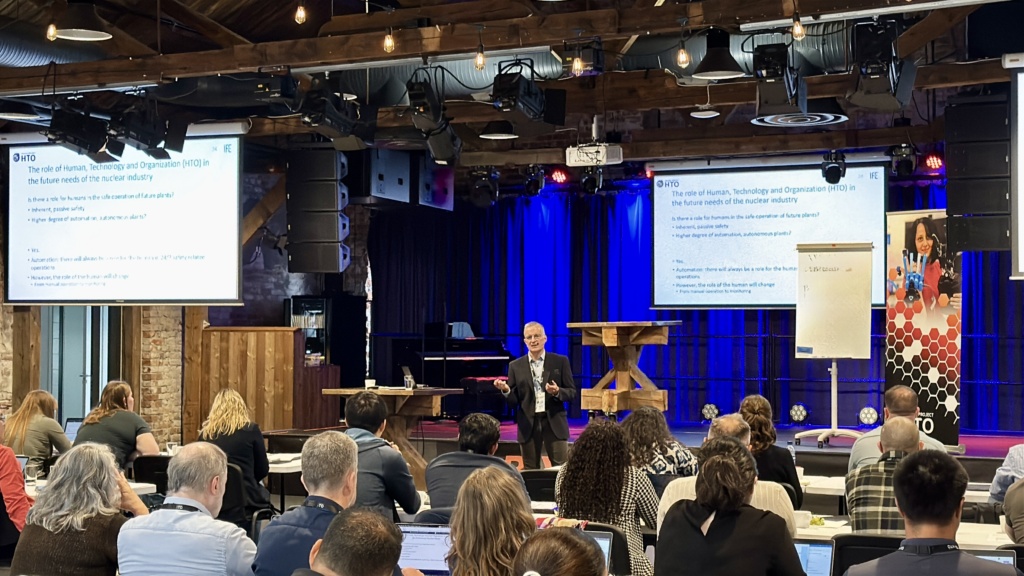
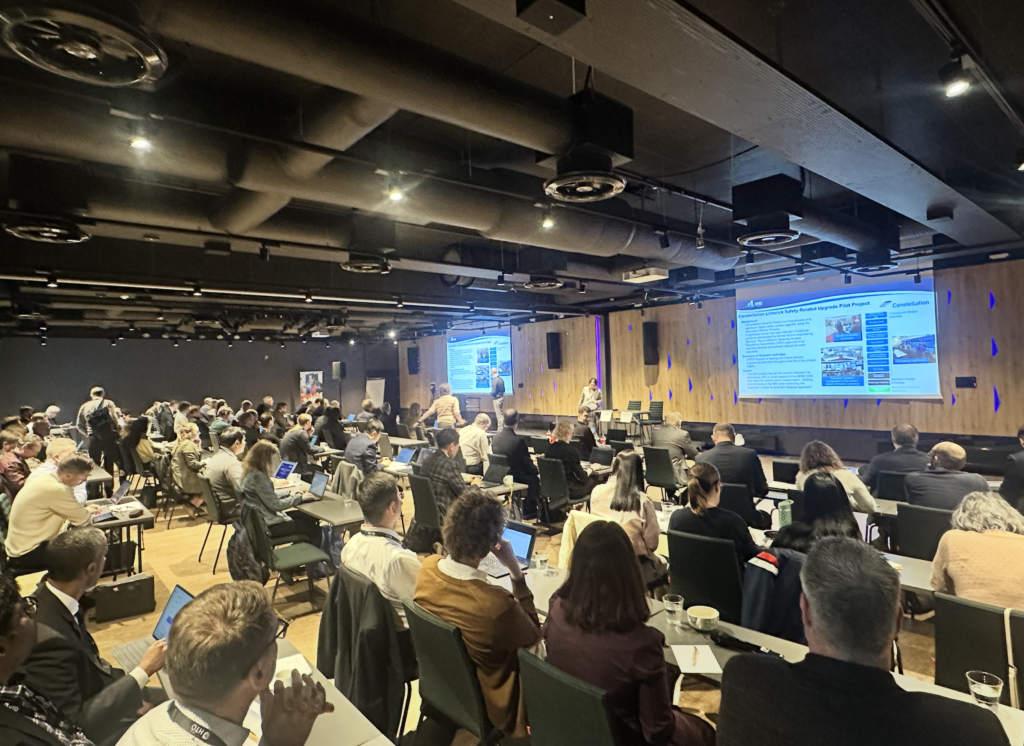
This week, Halden is a global hub for nuclear innovation as DigiDECOM NuclearNEXT 2025 gathers experts from around the world. The conference focuses on how digitalisation, artificial intelligence and robotics can shape the future of the nuclear industry.
What is NuclearNEXT 2025?
DigiDecom was launched in 2017 as one of the first arenas to highlight the potential of AI, data and robotics for nuclear power. The difference between 2017 and now is significant. When DigiDecom was established, the focus was solely on digitalisation for decommissioning. Today, DigiDecom looks at the entire lifecycle of nuclear power – and how AI, digital twins and robotics can interact.
István Szőke, founder of DigiDecom and department head at IFE, is very pleased with the role DigiDecom has gained in the international nuclear community.
“This is not just a conference to talk about challenges. It is an arena to find solutions, build partnerships and demonstrate how disruptive technologies can be applied,” says Szőke.
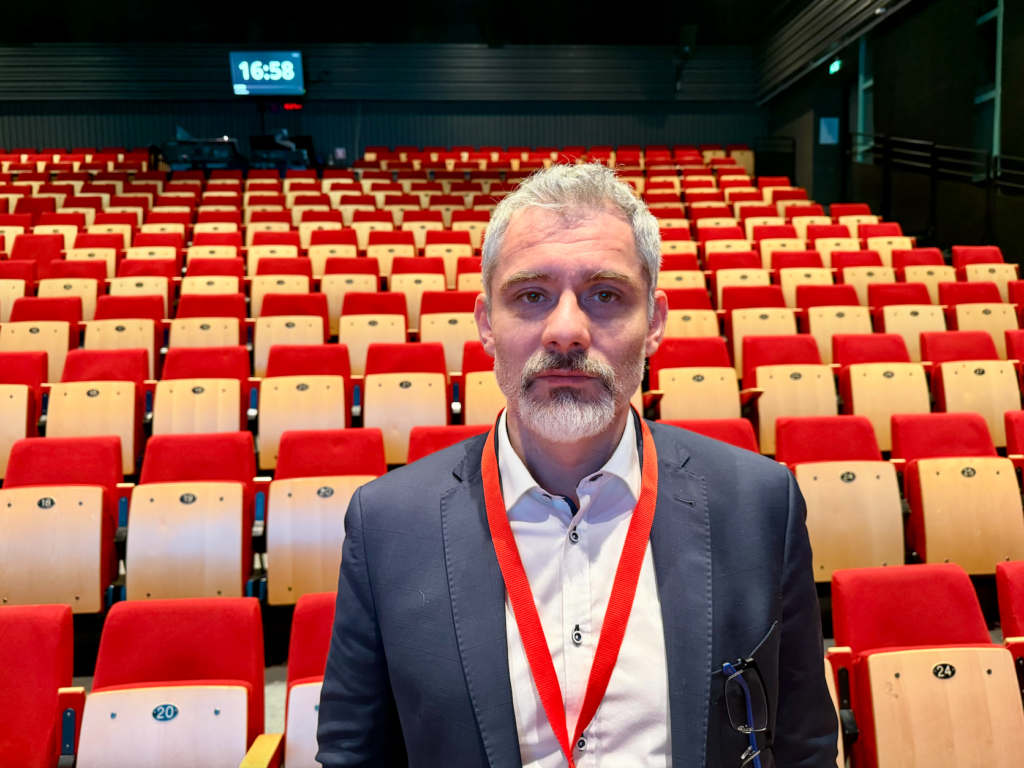
The founder of DigiDecom further emphasises that the conference provides space to delve into various topics, discuss solutions and establish collaborations to create concrete answers to challenges. Szőke also points out how the conference showcases the breadth of IFE’s nuclear research.
“IFE holds a unique position. We cover the entire spectrum – from technology to human and organisational factors – and this combination is crucial for achieving safe and efficient nuclear power,” says Szőke.
But why is the conference called NuclearNEXT 2025? The conference looks ahead, showing how solutions created in this arena contribute to a safer and more efficient nuclear industry in the future.
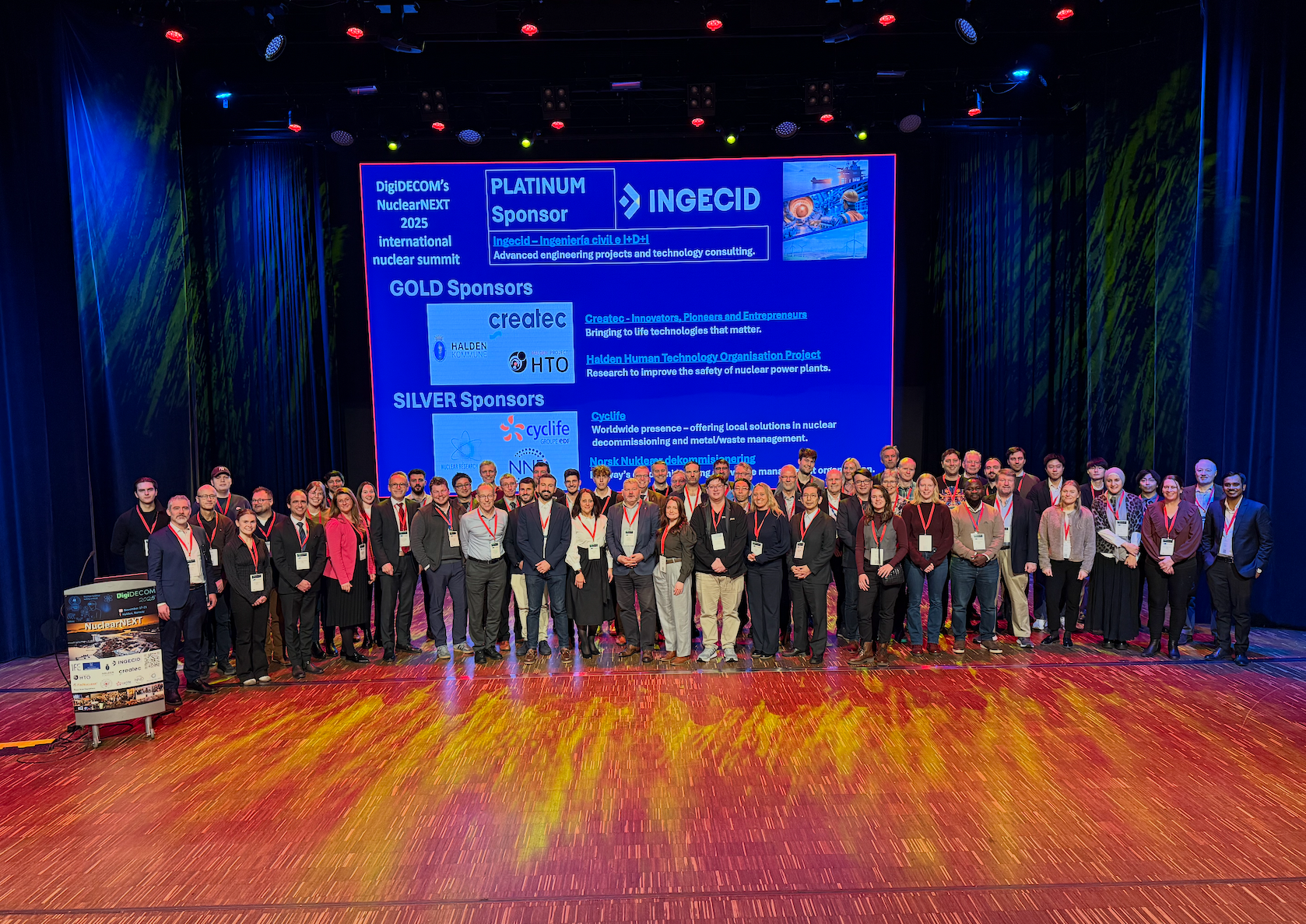
The conference is organised under IFE’s designation as an IAEA Collaborating Centre. The event is co-organised with OECD NEA, the Halden HTO project, the Norwegian Nuclear Research Centre, the Norwegian Nuclear Association and several sponsor partners.
Conference Topics
- Use of AI, data and robotics in nuclear and other safety-critical industries
- AI and safety requirements – how technology can support better compliance
- Human-centred AI – interaction between human and machine
- New initiatives and emerging technologies
- Sustainability and circular economy
- Risk, safety and security management
- Organisational factors in remote operation and multi-unit management
An arena for research dissemination
Department head at IFE, Stine Mikkelsplass was one of the speakers at the conference. Her focus was on cybersecurity aspects and the challenges that need to be addressed.
“An arena like Digidecom gives us the opportunity to gain insight into how digitalization and new technologies are impacting the nuclear power industry. Discussions on topics such as AI and digital twins show that we are facing complex challenges that require interdisciplinary expertise, particularly in cybersecurity. The conference facilitates knowledge sharing and international collaboration to develop solutions that address these challenges,” says Mikkelsplass.
Human factors must remain central
The panels highlighted the importance of collaboration and open dialogue among all stakeholders to build trust, ensure regulatory compliance, and address societal concerns. By focusing on emerging trends in decommissioning and waste management, the industry can harness new technologies such as artificial intelligence, data analytics, and robotics to improve efficiency, safety, and sustainability.
At the same time, it is crucial to prioritise human and organisational factors to successfully integrate these solutions. Through a collective approach, the nuclear sector can contribute to a safer and more sustainable future.